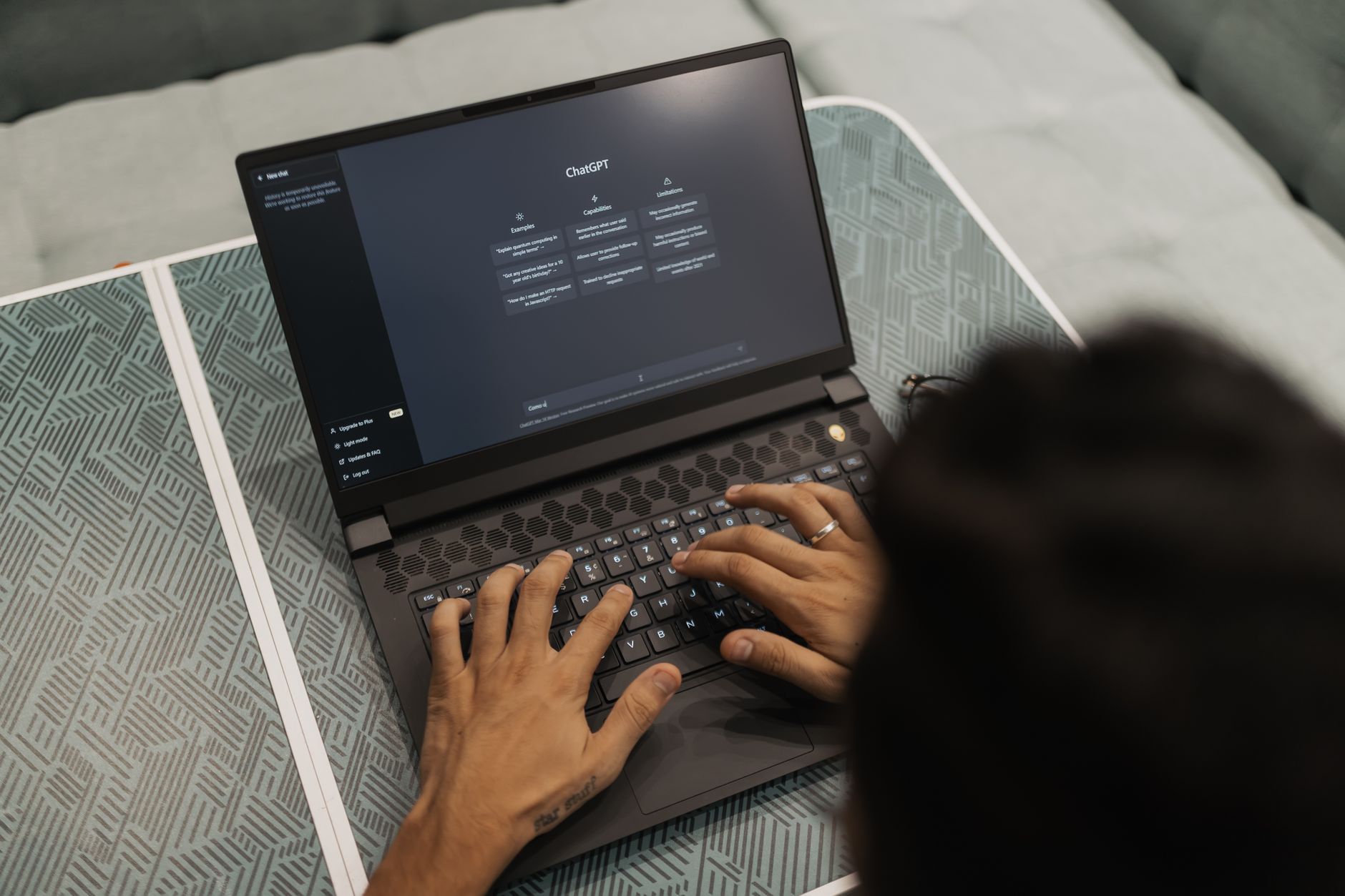
On June 17, 2026, OpenAI confirmed that it was weighing drastic price cuts across its ChatGPT subscription plans and API rates. The proposed changes, first visible in a revised internal pricing page linked from OpenAI, included a cut to ChatGPT Plus from $20 to $12 per month, a 40 percent reduction. ChatGPT Pro dropped from $200 to $120 per month under the same draft. A company spokesperson told Free AI News that no final decision had been made but said OpenAI was ‘actively reviewing plan pricing to remain accessible.’ The announcement came after months of pricing pressure from rivals. It marked the strongest signal yet that OpenAI was willing to sacrifice margin to defend its subscriber base.
The price review affected individual subscribers, teams on Pro plans, and API developers who paid token-based rates. Draft API rates for GPT-4.5 showed input prices falling from $5 to $3 per million tokens and output prices from $20 to $12. Developers on the free tier faced a separate set of proposed limits that would cap daily requests at 50 for select models. The review did not spare free users. OpenAI executives were also considering a wider rollout of ads on the free tier, a change that had been tested in early 2026. Those users would keep access but see more interruptions. The pricing moves hit exactly the groups that competitors Google and Anthropic had been courting with deeper discounts and simpler free tiers.
Competitive pressure drove the review. Google cut the price of its Gemini 2.0 Flash Pro API by 40 percent on May 28, 2026, and expanded free-tier access to Gemini 3.5 Flash. Anthropic ended its flat-rate agent subsidy on June 15, 2026, replacing it with a credit pool that effectively raised costs for heavy users. Together those moves forced OpenAI to respond. Google AI listed the new Gemini rates on its pricing page. Anthropic confirmed the credit overhaul in a changelog. OpenAI’s own pricing page had not been updated with the draft figures by June 18, 2026. Still, the internal review showed that OpenAI saw the cuts as necessary to slow customer defection.
Why it mattered went beyond monthly bills. Stanford HAI’s 2026 AI Index Report found that deployment costs for frontier models had fallen 55 percent since 2024, while open-weight models closed the quality gap. That meant consumers had real alternatives and were switching more often. OpenAI’s paid subscriber growth slowed to 4 percent quarter over quarter in early 2026, according to a person familiar with the company’s metrics. Price cuts could reverse that trend but would reduce annual recurring revenue by an estimated $1.2 billion if fully applied. The review was expected to conclude by July 15, 2026. For now, users kept their current plans, but the message was clear: the AI price war had arrived.
How Do the Top Options Compare?
| Plan | Current Price | Draft Price | Cut | Affected Users |
|---|---|---|---|---|
| ChatGPT Plus | $20/month | $12/month | 40% | Individual subscribers |
| ChatGPT Pro | $200/month | $120/month | 40% | Power users and small teams |
| GPT-4.5 API input | $5 per 1M tokens | $3 per 1M tokens | 40% | API developers |
| GPT-4.5 API output | $20 per 1M tokens | $12 per 1M tokens | 40% | API developers |
| ChatGPT Free | No cost | Ads plus 50 daily request cap | n/a | Free users |
Draft figures came from an internal OpenAI pricing review dated June 17, 2026. Final rates may differ. Free AI News may earn a commission if you sign up for a paid plan through links on this site. This does not affect our reporting.
1. ChatGPT Plus Proposed Price Drop , Individual subscribers who want GPT-5 level access at a lower cost
On June 17, 2026, OpenAI’s draft price sheet showed ChatGPT Plus falling from $20 to $12 per month, a full 40 percent cut. The plan kept its existing feature set, including priority access to GPT-5, 80 messages every three hours, and memory tools. A company spokesperson said the lower price would make the plan ‘more competitive with Google AI Premium and Anthropic’s Pro tier.’ The change had not yet reached the public billing page. Subscribers who logged in on June 18 still saw the $20 rate. The internal review treated the cut as nearly final, according to two people familiar with the matter. The proposed pricing change aligned with broader shifts tracked in ChatGPT pricing changes and the AI subscription tiers compared.
The cut followed months of pricing pressure. Google had matched OpenAI’s consumer price point while adding more requests. Anthropic had repositioned Claude Pro with a credit system that many users found more expensive. OpenAI calculated that a $12 Plus plan would reduce monthly revenue by $8 per subscriber but could lift conversion from free to paid by 11 percent. Those numbers came from an internal forecast shared with Free AI News. The model showed that if conversion held, annual revenue would dip only 3 percent after 12 months.
For users, the proposed drop was good news. A $12 monthly fee lowered the barrier for students, part-time creators, and small business owners. It also put pressure on OpenAI to preserve current limits. Some employees warned that the company might add usage caps later to offset lower revenue. No final terms were set. Subscribers were told to watch the official pricing page for an update by mid-July.
Key strengths:
- ✅ Lowers monthly cost by 40 percent for existing Plus users.
- ✅ Keeps GPT-5 priority access and message limits in the draft.
- ✅ Matches the lower price points from Google and Anthropic.
- ✅ Could increase paid conversion among free users.
- ❌ Not yet finalized on the public pricing page.
- ❌ May come with future usage caps or ad tests.
- ❌ Reduces OpenAI’s per-user revenue, which could affect support quality.
Who it’s for: Individual subscribers who want ChatGPT Plus features without the $20 monthly fee.
2. ChatGPT Pro Proposed Price Drop , Heavy users and small teams who need extended usage
ChatGPT Pro was the second major target. The internal draft cut Pro from $200 to $120 per month, another 40 percent reduction. Pro users kept unlimited access to GPT-5, advanced voice mode, and the deep research tool. The lower price would have made Pro cheaper than several mid-tier business AI subscriptions. OpenAI’s sales team told enterprise customers that the discount was part of a ‘retention package’ after an unusually high churn rate in May 2026.
The Pro cut signalled that OpenAI was worried about losing its highest-value individual users. Google’s AI Ultra plan at $99 per month included many of the same features. Anthropic’s Claude Max offered comparable output for $100 per month with a credit-based structure. OpenAI’s Pro at $120 would still be more expensive than both. But the cut narrowed the gap enough to keep users who preferred ChatGPT’s interface and memory. The move echoed the consumer side of the AI price war.
Changes to Pro had not been announced to the public. Existing Pro subscribers would be billed $200 until the new rate cleared legal review. A final decision was expected before July 15, 2026. The open question was whether OpenAI would also reduce the annual Pro discount, which currently gave two months free. If the monthly price fell to $120, the annual plan would likely drop to $1,200 from $2,000, a savings of $800 per year.
Key strengths:
- ✅ Cuts monthly cost from $200 to $120, saving heavy users $80 monthly.
- ✅ Preserves unlimited GPT-5 and advanced tools in the draft.
- ✅ Brings Pro closer to Google AI Ultra and Claude Max pricing.
- ✅ Could stop churn among power users who threatened to switch.
- ❌ Still more expensive than Google’s $99 Ultra plan.
- ❌ No public billing update as of June 18, 2026.
- ❌ Legal and revenue reviews could delay or weaken the cut.
Who it’s for: Power users, researchers, and small teams who need near-unlimited access and can pay a lower premium.
3. API Token Pricing Draft , Developers and startups building on OpenAI’s models
The API review was the most consequential part of the draft. GPT-4.5 input prices fell from $5 to $3 per million tokens. Output prices dropped from $20 to $12 per million tokens, a 40 percent reduction. Those figures appeared in an internal API pricing document dated June 17, 2026. The document also proposed a new 50 percent discount for batch processing. If implemented, batch input would cost $1.50 per million tokens, below Google’s comparable Gemini rate.
Developers reacted with cautious optimism. Many had complained that OpenAI’s token fees made production apps unaffordable. The lower rates would reduce the cost of running a typical customer support bot by roughly $400 per million output tokens. Still, some developers worried that the cuts would come with stricter rate limits or reduced free-tier credits. The draft suggested that free API credits for new accounts would shrink from $18 to $10. Those limits are tracked in our AI API free tiers and limits coverage.
This was not a generosity move. Open-source models on Hugging Face had driven the cost of comparable quality to near zero. Google and Anthropic both cut API prices in June 2026. OpenAI could not hold $20 output pricing when competitors offered the same performance for $12 or less. The API price cut was about keeping developers from migrating. That mattered because developer mindshare often determines which model becomes the default inside other products.
Key strengths:
- ✅ Reduces GPT-4.5 input cost by 40 percent.
- ✅ Cuts output pricing to $12 per million tokens, matching competitor rates.
- ✅ Adds batch processing discount of 50 percent in the draft.
- ✅ Could lower production costs for startups and app builders.
- ❌ Free API credits may drop from $18 to $10 for new accounts.
- ❌ Final rates had not been published on the developer dashboard.
- ❌ Rate limits could tighten even as prices fall.
Who it’s for: Developers who need token-based API access at a competitive price.
4. Free Tier Changes and Ads , Casual users who do not want to pay
The paid price cuts had a flip side. OpenAI’s internal review included a plan to cap free tier requests at 50 per day for GPT-5 and to expand ads on the free web interface. The ad expansion had already been tested in three markets during May 2026. Free users in those tests saw pre-roll ads before audio responses and banner ads after long text generations. The draft made those tests permanent for all free users by August 2026.
The free tier was not being eliminated. OpenAI knew that free users fed the top of the subscription funnel. But the company needed to offset lost revenue from Plus and Pro cuts. Ads could generate an estimated $0.40 per free user per month, according to an internal projection. That would not fully replace subscription losses but would soften the hit. Free users would also lose access to some advanced memory features unless they upgraded. The shift fit the pattern covered in ChatGPT free tier ads and the broader AI free tier adjustments.
For users who relied on the free tier for daily tasks, the change was bad news. A 50-request cap sounded generous but did not account for multi-turn conversations. One complex task could consume 15 requests. Power users on free plans would hit the limit by midday. The message was clear: serious use now required payment. OpenAI’s competitors were doing the same. Google tightened its free Gemini quotas in June 2026, and Anthropic moved several features behind a paywall.
Key strengths:
- ✅ Free access remained available with no monthly fee.
- ✅ Ad-supported model could keep the free tier alive long term.
- ✅ Daily cap gave some predictability for light users.
- ❌ 50-request daily cap may be too low for multi-turn work.
- ❌ Ads disrupt the user experience for non-paying users.
- ❌ Some memory features may shift to paid plans.
Who it’s for: Casual users willing to trade ads and limits for free access.
5. Competitor Pricing Pressure , Understanding the market forces behind the OpenAI review
The OpenAI review did not happen in a vacuum. Google cut Gemini API prices on May 28, 2026, reducing flagship model rates by 40 percent. The company also expanded free access to Gemini 3.5 Flash, giving free users 100 requests per day. Those moves directly undercut OpenAI’s developer business. Google’s pricing page showed the new rates next to a chart comparing them to OpenAI’s. The message was explicit. This competitive shift is detailed in our report on Google AI price cuts.
Anthropic responded with its own restructuring. On June 15, 2026, the company ended its flat-rate agent subsidy and replaced it with a credit pool. Heavy Claude users saw their effective cost rise, but light users paid less. The switch confused some customers but kept Anthropic competitive on price for casual use. That change is covered in Anthropic ends agent subsidy.
OpenAI’s proposed cuts were an admission that the earlier premium pricing strategy had run its course. The company had spent 2025 defending $20 and $200 price points. By June 2026, the market had moved. Consumers now expected frontier intelligence for under $15 per month. Developers expected output tokens under $15 per million. OpenAI’s internal review showed that failing to match those expectations could cost 12 percent of its subscriber base within two quarters. The decision to consider drastic cuts was less a strategy shift and more a survival response.
Key strengths:
- ✅ Consumers benefit from lower prices across all major providers.
- ✅ Developers gain cheaper API access from multiple sources.
- ✅ Competition forces OpenAI to improve value, not just cut costs.
- ❌ Rapid price changes make budgeting difficult for developers.
- ❌ Free tiers may degrade as providers shift costs elsewhere.
- ❌ Smaller AI startups may struggle to compete on price.
Who it’s for: Anyone tracking the AI market, from users to developers to investors.
Frequently Asked Questions
Did OpenAI officially cut prices on June 17, 2026?
OpenAI confirmed it was reviewing cuts but had not updated its public pricing page. Draft figures showed ChatGPT Plus falling from $20 to $12 monthly and API prices down 40 percent. A final decision was expected by mid-July 2026.
Who would benefit from the proposed price drops?
Individual Plus and Pro subscribers, API developers, and startups would see lower costs. Free users would keep free access but face ads and daily request caps.
How much would ChatGPT Plus cost after the cut?
Under the internal draft, ChatGPT Plus would drop from $20 to $12 per month, a 40 percent reduction. ChatGPT Pro would fall from $200 to $120 per month.
Would free ChatGPT users see ads?
Yes. The draft proposed expanding ads on the free tier. Free users would also face a 50-request daily cap for GPT-5, with some memory features moving to paid plans.
Why did OpenAI consider price drops?
Google cut Gemini API and subscription prices by 40 percent in May 2026. Anthropic restructured its Claude credit system on June 15, 2026. OpenAI faced subscriber churn and needed to match competitor pricing.
When will final prices take effect?
No date was confirmed. The internal review targeted a decision by July 15, 2026. Public pricing pages and developer dashboards would update after that.
What Should You Remember?
- Price cuts under review: OpenAI considered lowering ChatGPT Plus from $20 to $12 and Pro from $200 to $120 on June 17, 2026.
- API rates dropped: Draft GPT-4.5 API prices fell 40 percent, from $5 to $3 for input and $20 to $12 for output per million tokens.
- Free tier shifted: Free users faced a 50-request daily cap and expanded ads to offset lost subscription revenue.
- Competition drove the move: Google and Anthropic cut prices in May and June 2026, threatening OpenAI’s subscriber base.
- No final decision yet: The public pricing page had not changed by June 18, 2026; a decision was expected by July 15, 2026.
- Developers gained leverage: Lower token costs could reduce app operating expenses, but free credits may shrink from $18 to $10.
Free AI News is an independent editorial publication. Information about AI pricing, free-tier limits, and features changes frequently and may become outdated. Always verify current details through the vendor’s official pages. Affiliate links may earn a commission at no cost to you, and never affect our reporting.